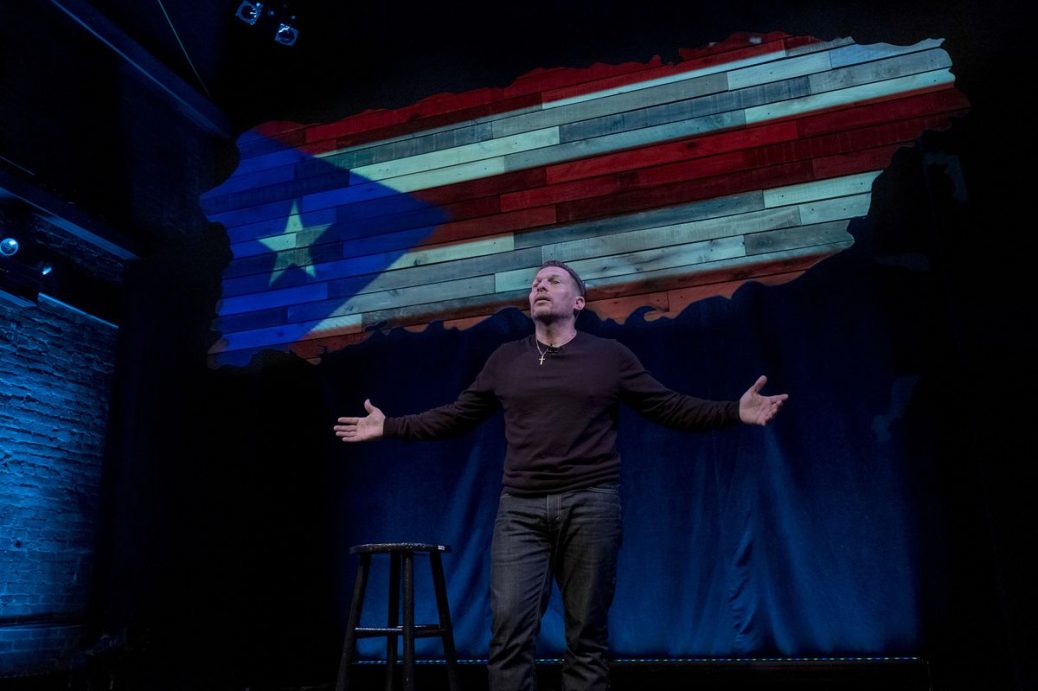
Welcome to Castro’s “One Man Show”, the longest running show on Earth, 47 years. This show is an exhibit of cruelty and cowardliness from a futile leader who has converted Cuba into a total inhumane disgrace. There he is pointing his senile finger around and shaking his head, sluggishly up and down, like he was the victim, again. Oh yes, leading about one million dumbfounded, uncomfortable, so-called protesters to the perimeter of the US Diplomatic Building. These so-called demonstrators, of course, have been rewarded and accommodated with food and returnable t-shirts for their appearance on the day/night protest. It seems to me that he is always surrounded by the same people accompanying him, his loyal body armor of military police with their families. All this mayhem is for a ticket-tape sign located and running across the 5th floor of the “freedom” Building in Havana, Cuba. Castro since then has taken swift steps by organizing a round-the-clock construction project of building a “Wall” of flagpoles pressed closed together to block the view of the building. Fidel is now beginning to draw closer to the end of his show and now has begun to construct a self-inflicting, self-defeating wall around his lonesome self. He is demonstrating to the world that he is losing his grip of tortured Cuba and that no one really cares anymore for his phony antics. This is very unfortunate for him because the Cuban people are not interested in his conniving ideals anymore and his untrustworthy promises. Castro has actually begun to build an island around himself now and the island is Cuba. With all of these televised staged events, the media has more camera access to the “Real” Cuba, we need more media coverage of Castro’s One Man Shows.
NobelPrize.org HistoryPlace.com
The electronic sign started flashing messages across the building on January 16, Martin Luther King Jr’s birthday. The first message that scrolled across was “I have a dream, that one day this nation will rise up”. Martin Luther King’s Speech. As Castro was talking all his rhetoric, there were quotes from Lech Wallesa scrolling across the building also, you see, its “Déjà Vu” again, for the formidable Mr. Wallesa who had a live videoconference with Cuban dissidents arranged by the top U.S. diplomat in Cuba, Michael Parmly from his home in Cuba. This was 5 days before the U.S. Interests Section set up the ticker itself. There were famous quotes from Lincoln also, not to mention news from around the world, real news.
This overreaction by Castro for a small projected line of red letters on a black background across a building should be no cause of concern for a self proclaimed beloved leader. The fear here is the actual words that are running across the ticker that really disturbs him, the “truth” that scrolls across, that frightens him. The words of freedom that no individual in Cuba can freely express. I see Castro taking a big chance here, trying to take advantage of the United States in times where many countries are voicing contrary and negative opinions against American foreign policy. This misleading scheme to show the world how concern he is about his people is self-proving the whole idea of the ticker itself, “freedom of speech” and this is what Castro is exhibiting with the protest. Castro’s obsession to prevent the Cuban people to see any hope of change for the nation is very evident here and the whole world is watching.
Fidel cannot and will never escape from the inhumane acts that he has afflicted on Cuba and its inhabitants for the last “47 years”. With the building a wall of flags around himself, a sign of surrender, a sign of defeat, a sign of reckless abundant is stranded here in the open. Now, maybe the ill informed skeptics of the world who never had the interest, the knowledge or education, the obligation or the opportunity to read historical accounts about or the bad chance to experience Communism and Dictatorship ruled governments first hand, are going to realize that “Human Rights” is much more important than politics itself and that a dictatorship and communism always leads to hardship. Read about Lenon, Stalin, Hitler, Somoza, Idi Amin, Sadam, Kim Jong II, Prince Abdullah, Robert Mugabe, Teodoro Obiang Nguema, Omar Al-Bashir, the Duvaliers, King Mswati III and of course Fidel Castro and see how many innocent people died during their reigns or are still dying at the present time.
TheHistoryofCuba
So for what reason then is Castro so determine to tear up a parking lot and place a cluster of flagpoles to obstruct the view of a so called meaningless imperialistic message. Castro is practicing freedom here, freedom to express his feelings and freedom to lead a protest of 1 million people. So let’s hear it from the other “12 MILLION” Cuban citizens. Let them speak their minds, let them organize their own protest and state their own opinions, instead of being subjected to their homes like slaves, like prisoners, during this fiasco. Fidel has been representing Cuba for the last 47 years only by brute force and has not established anything, only misery and pain. It’s a “One-Man Show” we have here and it’s a flop. Castro has been burning all the books that were written about democracy so then Cuban people would not learn the truth. While he burns these books, he is teaching the youth about Marx and Lenon and for the last 47 years. Communism is just a dream and it doesn’t work. Communism is an excuse to brainwash an individual and deprive them from their freedom so they could be controlled like animals.